If your idea of home includes oak-studded hills, quiet trails, and a daily rhythm shaped by the outdoors, Portola Valley stands out for a reason. This is a town where open space is not just nearby, but woven into how people move, gather, and live. If you are considering a move here, understanding that nature-first lifestyle can help you decide whether it truly fits your goals. Let’s dive in.
Why Portola Valley Feels Different
Portola Valley’s connection to nature is not accidental. According to the Town, its founders placed a strong emphasis on open space and environmental protection to help preserve the area’s rural character. Residents have also played a direct role in that effort, helping preserve about 1,900 acres within town boundaries.
That long-term commitment shapes the experience of living here today. Instead of feeling like nature is an amenity added around development, Portola Valley often feels planned around the landscape itself. For many buyers, that distinction is a big part of the town’s appeal.
Trails Are Part of Daily Life
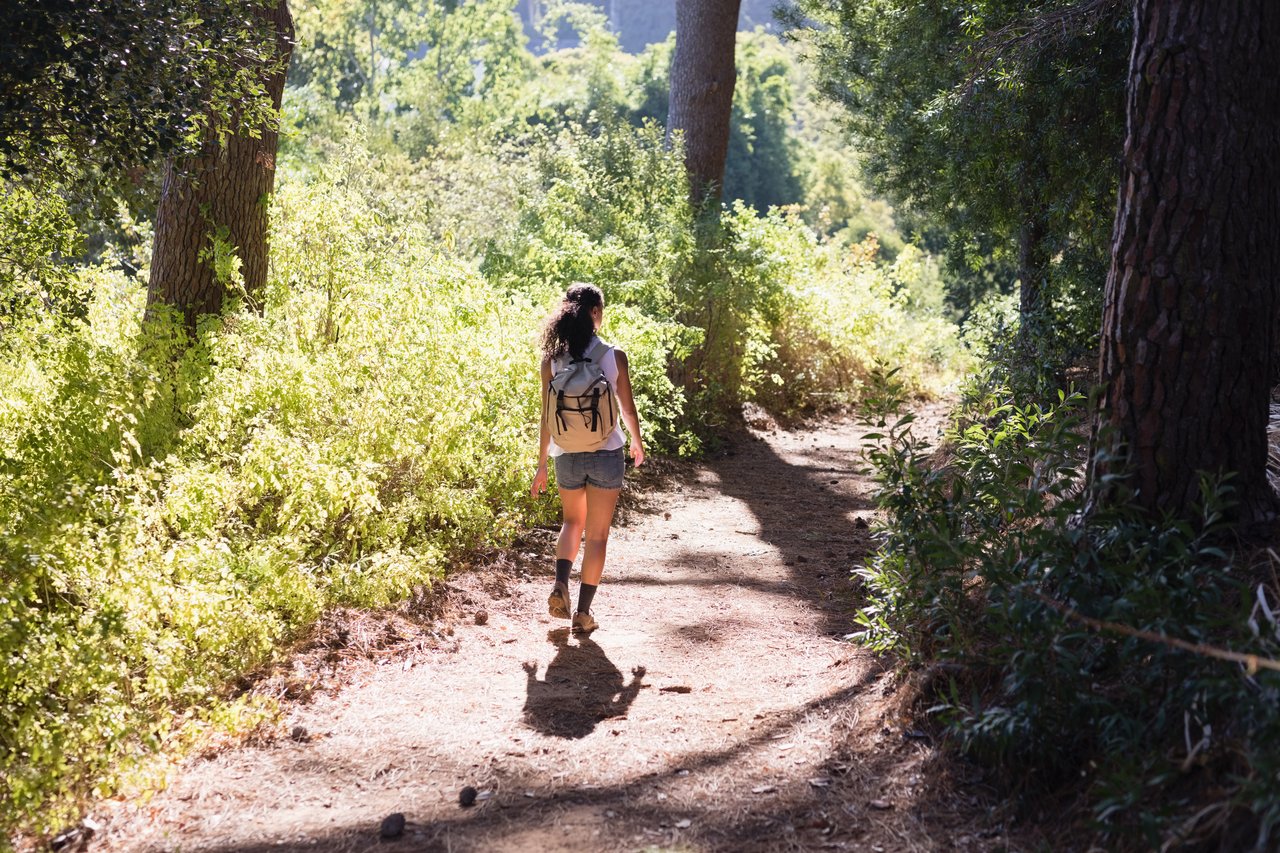
One of the clearest signs of Portola Valley’s outdoor identity is its trail system. The Town says there are nearly as many trail miles as road miles, with trails largely built and maintained by volunteers since 1964. That level of community involvement says a great deal about local priorities.
For you as a resident, that can translate into more than weekend recreation. The town also points to a car-free route connecting local schools, Town Center, and Ford Field, which shows that walking and riding are part of everyday life here. In a market where many communities talk about lifestyle, Portola Valley offers a more tangible version of it.
What that means for your routine
If you enjoy starting your day outside, Portola Valley makes that easier. You may find that a trail walk, ride, or quiet loop through open space becomes part of your normal schedule rather than a special outing.
That matters because lifestyle value often comes from repetition. A beautiful setting is one thing, but a place that supports your habits day after day can feel very different once you live there. Take a look here at one of our past sales for the quintessential Portola Valley home.
Open Space Gives the Town Its Character
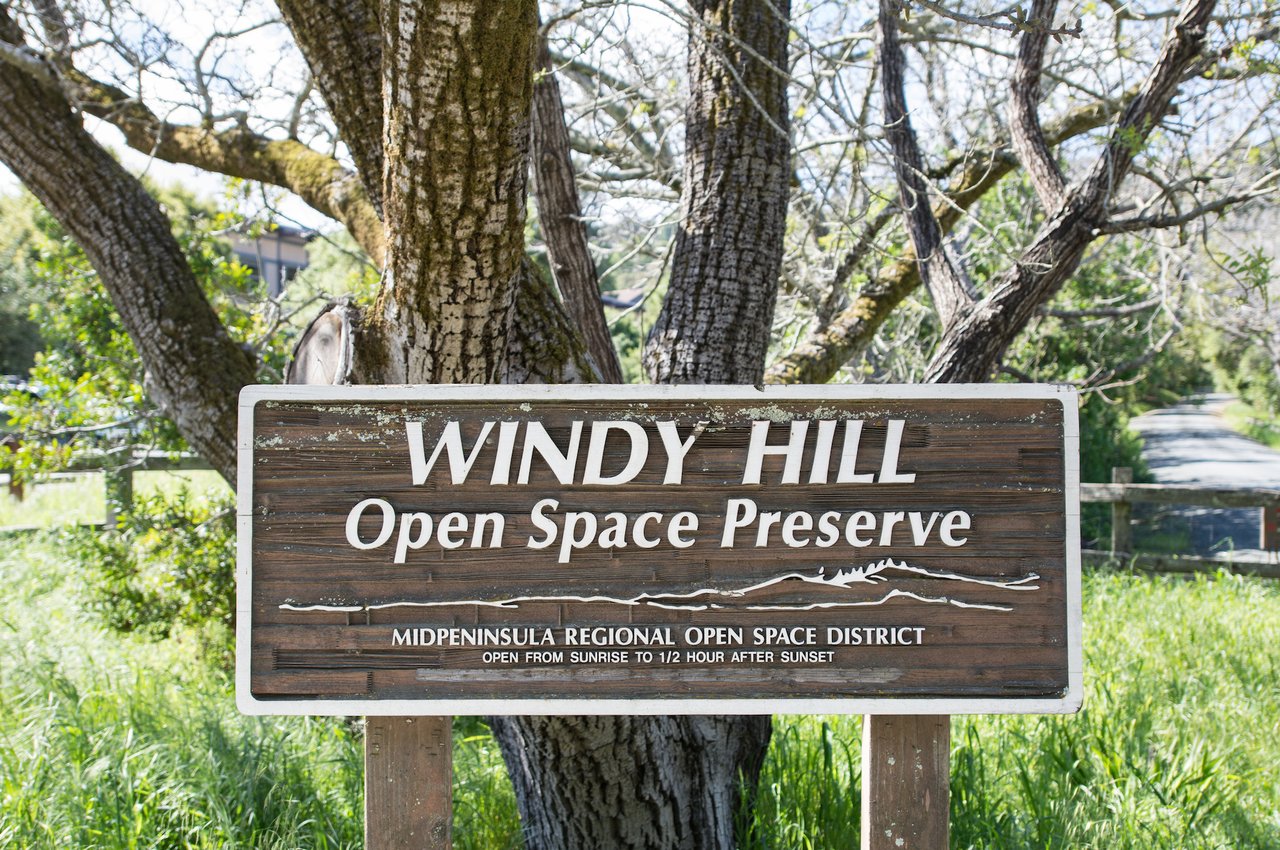
Portola Valley’s preserved land helps define both its appearance and its pace. The Town highlights open-space areas including Windy Hill, Spring Down, Herb Dengler, Shady Trail, Coal Mine Ridge and Blue Oaks Trails, and Frog Pond. Together, they reinforce the sense that the natural setting is central to the town’s identity.
For buyers who value privacy, scenery, and breathing room, this can be especially compelling. Open space often supports a quieter visual environment and a stronger feeling of separation from busier nearby corridors, even while the Peninsula remains close at hand.
A lifestyle shaped by stewardship
One of the more appealing aspects of Portola Valley is that its outdoor culture comes with a stewardship mindset. The Town’s trail information emphasizes signed routes and regulations, and some nearby natural areas are managed carefully rather than treated as casual drop-in parks.
That balance can be part of the attraction. If you appreciate protected landscapes, maintained trails, and thoughtful use of land, Portola Valley offers a setting where those values are taken seriously.
Equestrian Living Is Part of the Culture
For buyers drawn to equestrian properties or horse-friendly surroundings, Portola Valley has unusual authenticity. The Town says equestrian activity has long been an important part of local culture, which means horses are not a novelty here. They are part of the area’s longstanding identity.
Windy Hill helps show how that works in practice. Midpen notes that lower Windy Hill access is on Portola Road, and equestrian trailer and bus parking is available at the Spring Downs Equestrian Center driveway courtesy of the Town. A roadside trail also links that area to the lower parking lot. Be sure and check out our post here on A Guide to Equestrian Living on the Peninsula.
Spring Down adds to the story
Spring Down Open Space adds another layer for nature lovers and equestrian-minded buyers alike. The Town says the property was acquired from the owners of the Spring Down Equestrian Center, and the site now includes a gently sloped meadow, a pond, wooded edges, and a boundary trail.
That kind of setting supports a lifestyle many buyers are looking for on the Peninsula but struggle to find. It reflects a rural character that feels established, not manufactured, which can make Portola Valley especially attractive for those seeking land, trail access, and a stronger connection to the outdoors.
Town Center Keeps Community Close
A nature-forward town still needs places that bring people together, and Portola Valley’s Town Center plays that role well. Opened in 2008, it includes the county library, a community hall with classes and rental space, recreational fields, Town Hall, and the Historic Schoolhouse used for official meetings.
This matters because Portola Valley does not feel isolated in the way some rural settings can. You get open space and trails, but you also have a civic core that supports day-to-day connection and community life.
Small-town feel with real involvement
The Town describes Portola Valley as a general-law city with a council-manager structure and more than 100 volunteers serving in town roles. That level of involvement helps explain why the town often feels engaged and closely connected.
For you, that may show up as a stronger sense of local identity. In communities where residents invest time and care into public spaces and institutions, the overall living experience often feels more intentional.
Nature Access With Peninsula Convenience
One reason Portola Valley appeals to many Peninsula buyers is that its natural setting does not mean giving up access to key nearby destinations. The Stanford and Sand Hill Road corridor is close enough to matter, giving the town a practical connection to the broader Peninsula.
That combination can be powerful if you want privacy and open space without feeling far removed. Portola Valley offers a more rural atmosphere, yet it still sits within reach of an important part of the region’s daily economic and institutional life.
Jasper Ridge shows the balance
Jasper Ridge Biological Preserve, located at 4001 Sand Hill Road, is a good example of this blend of access and protection. Public access is limited to docent-led hiking tours, visitors must be 14 or older, and pets are not allowed.
Those rules are worth noting because they reflect a broader truth about the area. Some of the most valued natural spaces near Portola Valley are available in a carefully managed way, which helps preserve the environment while still allowing people to experience it.
What Nature Lovers Should Know Before Moving
Portola Valley is outdoorsy, but it is not free-form parkland living. Trails are signed, regulations matter, and wildland conditions require preparation. If you are considering a move, it helps to understand that the town’s outdoor appeal comes with a culture of respect for the land.
For many buyers, that is a positive rather than a drawback. It signals that the features making Portola Valley special are being protected over time, which can support both lifestyle quality and the long-term character of the community.
Who Portola Valley May Suit Best
Portola Valley may be especially appealing if you value space, quiet, and a more grounded daily routine. It can suit buyers looking for estate properties, equestrian settings, or homes where the landscape plays a leading role in the experience of living there.
It may also appeal to those who want a more measured, place-oriented lifestyle while staying connected to the Peninsula. If you are drawn to settings where trails, open space, and stewardship are part of the local culture, Portola Valley offers a rare combination.
If you are exploring Portola Valley or comparing it with nearby Peninsula communities, working with advisors like us who understand land, lifestyle, and long-term value can make the search more focused and informed. We bring deep Peninsula knowledge, discretion, and strategic guidance for buyers and sellers navigating distinctive properties in Portola Valley and beyond. You may also be interested in our blog post here comparing Portola Valley to Woodside.
FAQs
What makes Portola Valley appealing for nature lovers?
- Portola Valley is known for its strong commitment to open space, preserved rural character, extensive trail network, and outdoor-oriented daily lifestyle.
How extensive are the trails in Portola Valley?
- The Town says Portola Valley has nearly the same number of trail miles as road miles, and many trails have been built and maintained by volunteers since 1964.
Is equestrian living part of Portola Valley life?
- Yes. The Town says equestrian activity has long been an important part of local culture, and areas like Windy Hill and Spring Down reflect that horse-friendly identity.
What is Spring Down Open Space in Portola Valley?
- Spring Down Open Space is a town-owned preserve that includes a meadow, pond, wooded edges, and a boundary trail on land connected to the area’s equestrian history.
Does Portola Valley have a community gathering area?
- Yes. Town Center includes the county library, community hall, recreational fields, Town Hall, and the Historic Schoolhouse, giving residents a central place to gather.
How close is Portola Valley to the Stanford area?
- Portola Valley is close to the Stanford and Sand Hill Road corridor, offering convenient access while still maintaining a nature-first setting.
Can anyone freely visit Jasper Ridge near Portola Valley?
- No. Jasper Ridge Biological Preserve allows public access only through docent-led hiking tours, and it has age and pet restrictions.
What should buyers know about outdoor access in Portola Valley?
- Buyers should know that trails and natural areas are managed with signed routes, regulations, and stewardship in mind, so outdoor access here comes with an emphasis on respectful use.