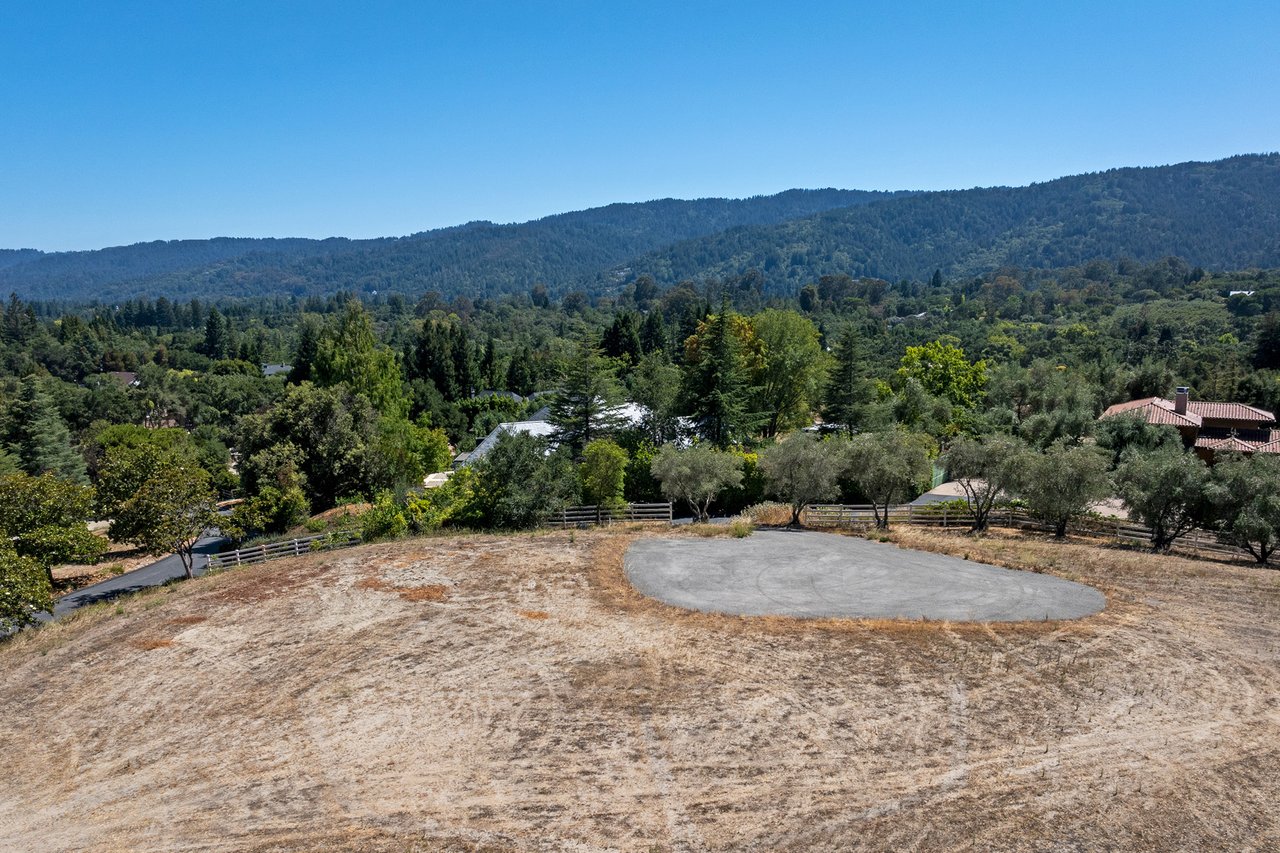
Two parcels sit on the market at the same number. Same acreage, same zoning district, comparable frontage, similar 1970s ranch improvements ripe for replacement. One buyer writes an offer assuming a clean 8,500-square-foot rebuild. The other buyer's arborist walks the property first and comes back with a map that shrinks the footprint by roughly 1,400 square feet before a single line is drawn. The list prices were identical. The buildable value was not.
That gap is the story of the Atherton estate market in 2026, and it lives inside a municipal code chapter most buyers do not read until it is too late to price it in.
The Chapter That Sets the Envelope
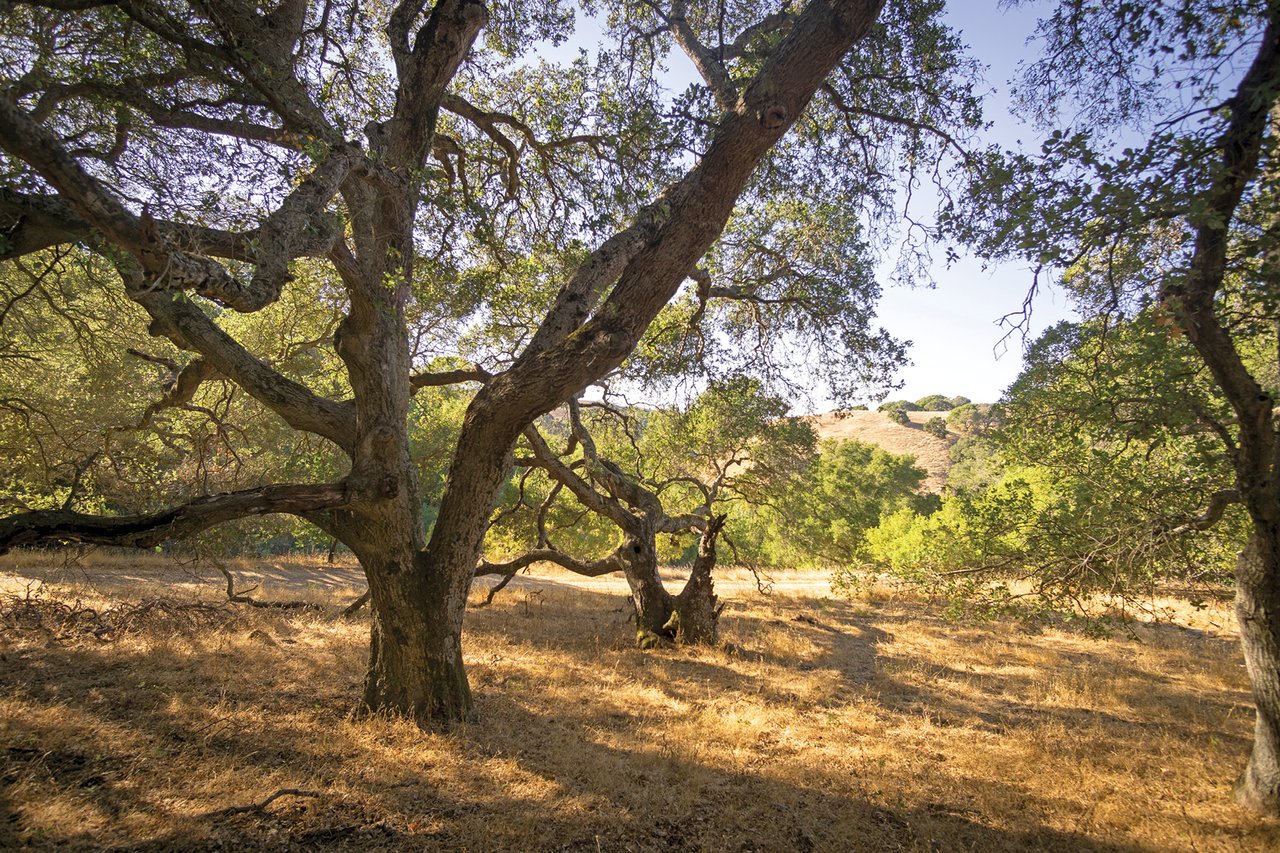
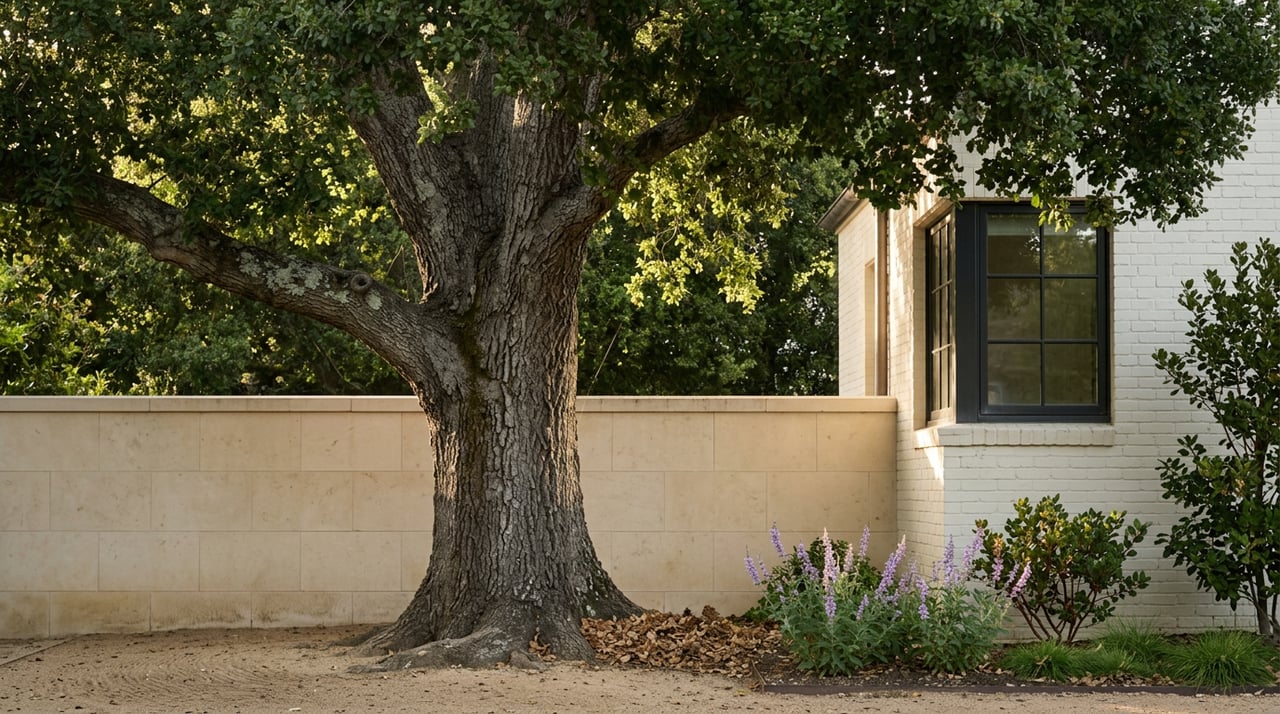
Atherton Municipal Code Chapter 8.10 protects every native oak on a parcel regardless of size, plus any tree of any species with a trunk circumference of 48 inches or more measured 54 inches above natural grade in a setback area. Removal requires a permit, an ISA-certified arborist's report, and for non-oak heritage trees, a Planning Commission hearing. Unauthorized removal carries a civil penalty equal to 50 percent of the tree's appraised value, a figure that reaches into six digits for a mature coast live oak.
The ordinance is not a landscaping preference. It is a lot-level constraint on what can be built, where it can sit, and how long approval will take.
Three specifics matter for anyone underwriting a purchase or preparing a listing:
- Tree Protection Zone (TPZ): protective fencing must sit at a distance equal to eight times the trunk diameter, and no grading, excavation, or construction may occur inside that zone without a Town Arborist exception.
- Tree Protection and Preservation Plan: required before the Town will issue demolition, grading, or building permits. The plan is prepared by a Certified Arborist and reviewed by the Town Arborist.
- Contractor licensing: Section 8.10.060 requires a valid California C-61/D-49 tree care license for any tree work, and local arborists report the standard is enforced more actively here than in surrounding jurisdictions.
The Town Arborist, Sally Bentz, holds public counter hours at 80 Fair Oaks Avenue on Tuesdays and Thursdays from 1 to 4 p.m., and the Town's Arborist Services page is the primary reference point for permit procedure. The Atherton Tree Committee, formed in 1989 and best known for its stewardship of Holbrook-Palmer Park, provides community continuity around the ordinance but does not shortcut it.
Reading the Q1 2026 Numbers Through the Ordinance
Atherton's headline market data reads unambiguously strong. The Almanac's April 2026 recap reported that homes priced between $20 million and $30 million were receiving multiple offers and closing above asking, with the pace resembling the 2021 peak. March 2026 closings totaled seven transactions and roughly $102 million in volume, with months-of-inventory at 2.8. Public snapshots for early 2026 place the median between $14.8 million and figures north of $25 million depending on which two or three trophy sales landed in the window.
Beneath those aggregates, one detail has held steady across every recent broker recap: buyers are accepting long inspection windows and complex disclosure packages, and sellers who arrive with pre-listing diligence are the ones capturing offers inside the first week.
That pattern is where the ordinance quietly does its work. Custom construction in Atherton now runs $500 to $1,000-plus per square foot, so a 6,000-square-foot residence costs $3 to $6 million to build before land. When a buyer's project arborist identifies a mature oak whose TPZ swallows part of the intended footprint, the resulting redesign is not a $50,000 problem. It is a re-siting exercise that can move the pool, the motor court, and the primary suite, or it can trigger a Planning Commission application whose calendar alone burns six to ten weeks.
The price the buyer is willing to pay reflects the residence they can build. Two Atherton lots at the same asking figure with meaningfully different heritage tree inventories are not the same asset.
What Sellers Are Doing Before They List
The sellers capturing early, clean offers in this market are treating the arborist report as part of the disclosure package, not part of the buyer's contingency period. The sequence looks roughly like this:
- Commission a written heritage tree inventory covering every protected tree on the site and any protected tree within 15 feet of a shared property line, per the Town's Heritage Tree Preservation Standards and Specifications. The report lists species, size, TPZ radius, condition, and prognosis.
- Overlay the TPZs on a current site plan. The exercise reveals the true buildable envelope and identifies which trees would need Town Arborist exceptions to enable an addition, an ADU, or a pool relocation.
- Attach both to the disclosure package. A buyer who receives this material during marketing prices the property against a known envelope. A buyer who receives it during contingencies prices against uncertainty, and uncertainty is always deducted from the offer.
Off-market activity, which remains a meaningful share of high-value Atherton transactions, follows the same logic. Private-network buyers still price against buildable value, and the sellers who preempt the question by arriving with documentation are the ones who protect their number.
The Buyer's Underwriting Question
For a buyer, the ordinance reframes the pre-offer walkthrough. Square footage, finishes, and lot geometry answer what exists. The heritage tree map answers what can replace it.
The questions that belong in front of an offer, not behind it:
- Which trees on this parcel meet the 48-inch circumference standard, and where are all native oaks regardless of size?
- Where does each TPZ fall relative to the current structure, the driveway, and any expansion target?
- What is the appraised value of the trees most likely to conflict with a redesign, and therefore the penalty exposure if a contractor makes a field decision in error?
- On a non-oak heritage tree, is the Planning Commission calendar compatible with the intended construction start?
The insurance layer adds a second underwriting question in 2026. High Hazard Severity Zone designations on Atherton's western edge toward Woodside are affecting coverage availability and cost, and any hazard-tree removal in those pockets still moves through the ordinance rather than around it.
Buyers who work these questions before writing tend to arrive at a lower, better-supported number or a higher, more confident one. Either outcome is preferable to discovering the answer during inspections.
The Friction Inside the Contingency Window
The lisamlum market recap for March 2026 noted that buyers should expect long inspection windows and complex disclosure packages reflecting the age and scale of typical Atherton improvements. Heritage tree diligence is one of the reasons those windows are long.
Three frictions recur:
- Neighbor trees. Protected trees within 15 feet of a shared line count in the site's inventory. A neighbor's oak can constrain a buyer's rear-yard plan, and no purchase price adjusts that fact.
- Retroactive enforcement. Local arborists document that "the tree looked dead" is not a viable defense on a protected oak. Any pre-close removal by a seller aiming to tidy the property before showings creates disclosure and liability exposure that follows the parcel.
- Emergency removals. Genuinely hazardous trees may be removed, but the Town expects contemporaneous photographs, timestamps, and immediate notification followed by a retroactive permit application. Buyers reviewing prior removals should look for that paper trail.
FAQ
Does the ordinance apply to trees inside the current building footprint? Native oaks are protected regardless of location on the parcel. Non-native trees are protected once they hit the 48-inch circumference threshold in a setback area. A tree inside the buildable envelope is not automatically removable, and the Town Arborist's review governs the outcome.
How long does a heritage tree removal application take? Straightforward permits move through the Town Arborist. Non-oak heritage tree removals requiring a Planning Commission hearing typically run six to ten weeks based on published local guidance. Buyers modeling a construction start should build the calendar in.
Can a seller commission an arborist report and share it during marketing? Yes, and increasingly the well-prepared listings do exactly that. The report is a factual document about the property. Sharing it early tends to compress negotiation and shorten the contingency window rather than expand it.
Every Atherton estate has two prices: the one on the listing and the one implied by what the parcel will support after the ordinance is read. The gap between them is where careful representation earns its fee. If you are weighing an Atherton purchase or preparing an estate for sale and want that gap quantified before an offer is written or a marketing plan is set, Helen & Brad Miller welcome a discreet conversation. Reach Out Today.